|
|
|
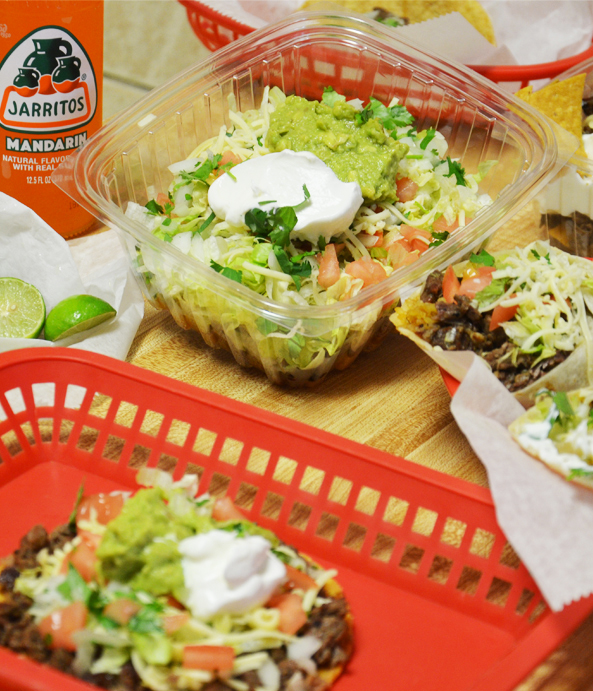
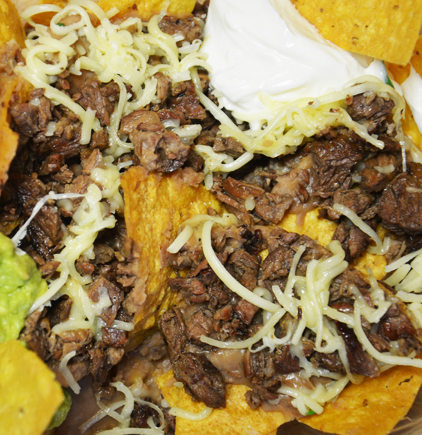
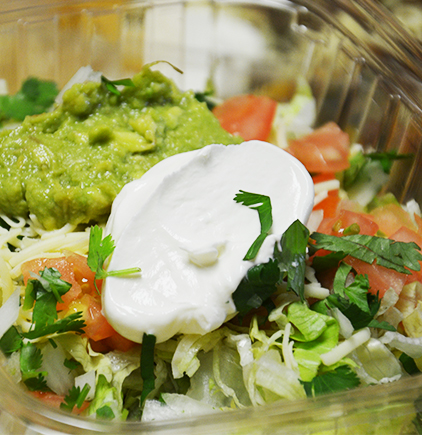
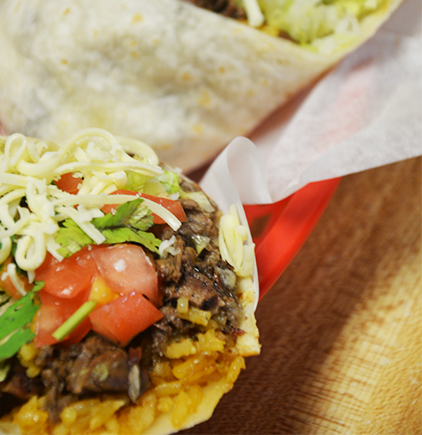
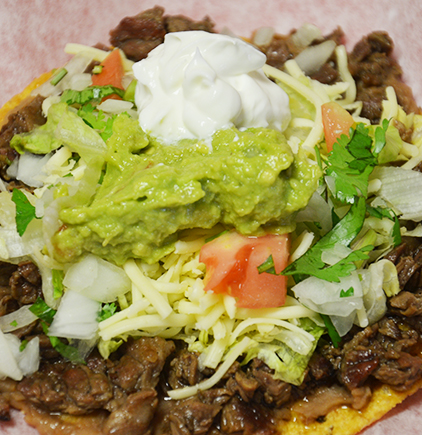
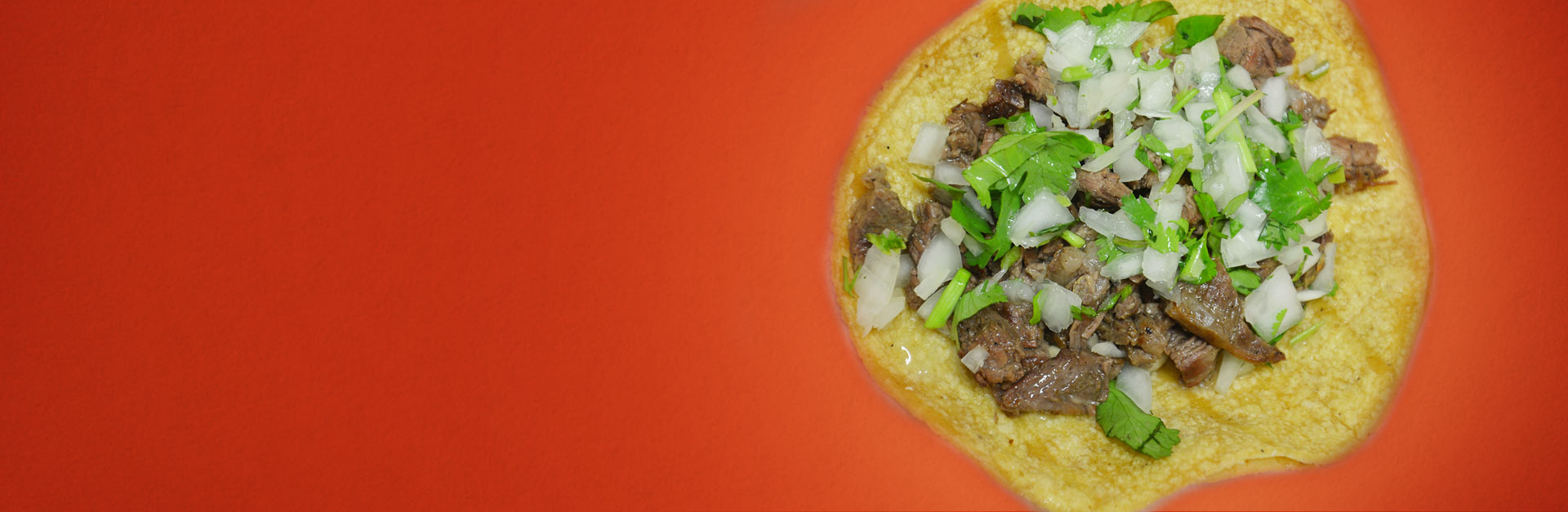
Looking south down Ashland from Division street, your eyes meet a strange red-and-yellow sign, painted over the Chicago common of a three story building side. “La Pasaidta,” It reads, and then lists the addresses at which the Mexican restaurant chain can be found: 1132 N. Ashland, 1140 N. Ashland, 1141 N. Ashland. It’s a Chicago mystery: why are there three restaurants on one half-block with the exact same name? Last Friday morning, Rene Espinoza, the youngest of five siblings who run the family-owned business, sat behind a plain metal desk in the Spartan, concrete-floored office between the two Pasaditas on the west side of Ashland to answer the question.The interview was prepared with interruptions—an arriving flat of Goya cans to be counted, a visit from the meat supplier, subordinates requesting some sort of answer immediately in rapid-fire Spanish, and quick peeks at the eight security monitors stacked on the floor behind him. “It’s actually a long story,” Espinoza began. Originally he said, his father David came to Chicago via San Luis Potosi, an old gold mining town in central Mexico, when he arrived in Chicago’s east village the neighborhood was about as rough. “If you parked your car on the street for an hour you’d come back and all four wheels would be missing.” Espinoza Said. Working two jobs, including a position on the western craft cardboard box factory’s assembly line in Elk Grove Village, Espinoza’s father switched from the night shift to the day shift in 1976 so he could open the first La Pasadita, a small, box shaped yellow diner on the eastern side of Ashland with a rounded concrete parapet rising from its top. Before the taqueria moved in, it was a burger joint called Hamburger castle. Business was slow at first, but within three years, there were lines out the door. When a larger seafood restaurant directly across the street-El Cancun-came up for sale in 1981, he decided to make a go for it on the west side of Ashland, too. ”My father said, if people like my tacos there, they ought to like them across the street,” Espinoza said. “He’s a real believer in ‘KISS’- Keep It Simple, the other ‘S’ you can do what ever you want with.” The new menu was exactly the same: bare-bones Mexican tacos with burritos, seasoned with a secret mix that only family members are privy to, with meat, onions, cilantro, and cheese if you pay a little more. But he didn’t want to close the old restaurant, which was proven success. ”He didn’t know if it was going to be a hit across the street,” Espinoza said. He decided to leave both open, and within a few years the western location was thriving, too. With the family’s newfound financial success, the Espinozas were able to breathe a little easier. Espinoza said he remembers his father bought him self a big hat at Alcala’s a western store on Chicago Ave., after the second restaurant took off. Then, 15 years later, a man from outside the neighborhood saw that the restaurants were doing well and decided to open a Tex-Mex place a couple doors down. “This was an Italian guy that opened a Mexican restaurant—it was like, “what are you doing?” Espinoza explained. “He was going to go into lettuce, tomatoes, sour cream. To us, that’s Americanized Mexican food, you cant see lettuce and tomatoes on a taco. You see onions and cilantro—that’s just the way it is.” But instead of closing his mind to the idea, Espinoza’s father decided to arrange a meeting with the interloper. “I don’t know what went on…but my dad ended up convincing him somehow that he would buy his business,” Espinoza Said. The Foundations for the third restaurant were laid. This one would be different—the family decided to adopt the slightly more upscale, Americanized menu the Italian had proposed, in order to target non-Mexicans moving to the gentrifying neighborhood—but apparently little discussion went in to changing the name. When the new restaurant opened its doors in 1996, it too was called La Pasadita.
|


About Us